HEMS for UK Home Automation 2026: What It Saves
Home Energy Management Systems for UK households in 2026. Heat pump + EV + solar + Octopus dynamic tariffs via Home Assistant or Loop.
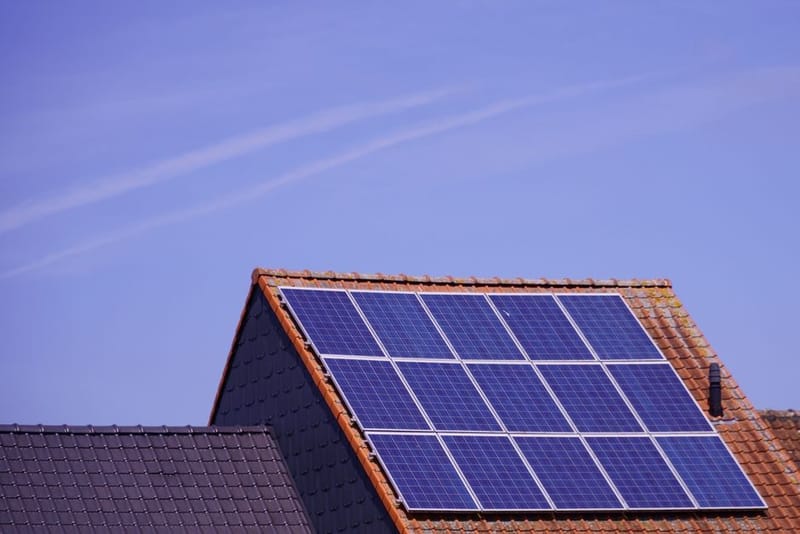

Smart meters told us how much we were using. Smart tariffs added the dimension of when each unit costs more or less. The thing that turns that data into actual savings is automation - shifting high-draw appliances into cheap-rate periods, charging your EV when the wind blows hard, dumping excess solar into the immersion when the grid would otherwise reward you with zero. A Home Energy Management System (HEMS) is the umbrella term for that orchestration layer. This post explains what a HEMS actually does, why 2026 is the year UK households can realistically build one without buying a £5,000 vendor solution, and what the realistic payback looks like.
What is a HEMS, in plain English?
A HEMS is software that does three things:
- Reads current electricity price (your tariff's half-hourly or hourly rate), grid carbon intensity, and your home's solar production / battery state if applicable.
- Decides which of your controllable loads (EV charger, heat pump, immersion, dishwasher, washing machine, hot tub) should run now, soon, or later.
- Sends commands - turn on the immersion, raise the heat pump setpoint, start the EV charging, defer the dishwasher - to make that plan happen.
The 'system' bit means it's not just timer-based ('charge the EV between 1am and 5am'). A real HEMS looks at half-hourly prices each day and shifts the schedule on the fly: charge the EV from midnight to 4am tonight because tonight's wholesale rate dip is two hours earlier than yesterday. Or skip the dishwasher cycle entirely when tomorrow morning's rate is below the negative threshold and you'd rather wait the few hours to be paid to run it.
Why is 2026 the year UK HEMS finally works?
Three pieces lined up over 2024-2026:
- Dynamic tariffs are mainstream. Octopus Agile (half-hourly wholesale), Cosy (cheap-rate windows tuned for heat pumps), and Go (overnight EV) all have public APIs and millions of UK customers. Tracker (Octopus's day-ahead variable) also fits cleanly. EDF's Pre-Pay variable and OVO Anytime add more options.
- SMETS2 HAN data is accessible via Glow. Hildebrand Glow IHD / CAD bridges the DCC data to MQTT, which Home Assistant reads natively. So the HEMS knows authoritative real-time house consumption, not estimates.
- Controllable loads exist with proper APIs. Heat pumps (Mitsubishi Ecodan, Vaillant Arotherm, Daikin Altherma) all have Home Assistant integrations with setpoint control. EV chargers (Wallbox, Andersen, Easee) have API access. Smart plugs cover the rest.
Pre-2024 you could either pay an installer £5,000 for a vendor-locked HEMS (which then needed a maintenance contract) or DIY a fragile chain of cloud webhooks. In 2026 the DIY route is robust enough that the savings are real.
What can a UK HEMS actually save you?
The size of the prize depends on your household:
- Heat pump household: Octopus Cosy currently has cheap-rate windows around 04:00-07:00 and 13:00-16:00. A HEMS that pre-heats the house in those windows and coasts on thermal mass during peak hours typically saves £200-£400/year on a 12-15 MWh heating load.
- EV household: Octopus Go gives roughly 9p/kWh from 00:30-05:30 vs 30p+ on peak. For a 10,000-mile-per-year driver, that's £400-£700/year saved versus charging at peak rates.
- Solar PV household: A HEMS that dumps excess solar into the immersion (heating water you'd otherwise pay 30p/kWh for, with electricity you'd have exported for 4-15p) typically saves £150-£400/year on hot water.
- All three: stack them. Combined heat-pump + EV + solar households routinely report £600-£1,000+/year of HEMS-driven savings in the Octopus and Loop user communities.
None of these require special hardware beyond what you already have for the heat pump / EV / solar - just the orchestration layer.
Which HEMS options exist in 2026?
Three realistic routes:
1. DIY on Home Assistant. Install the Octopus Energy integration (reads your account, half-hourly prices, agile/cosy/go tariff data), the Hildebrand Glow MQTT integration (reads HAN-port meter data), and integrations for your heat pump, EV charger, and any controllable appliances. Then build automations / blueprints around 'is current price below threshold?' / 'is current price in the cheapest N hours?'. Free, infinitely customisable, requires Home Assistant + setup time. The strongest community is on the octopus-energy-rust and octopus_energy custom integrations.
2. Packaged HEMS with hardware. Companies like Loop (UK-based, £179 hardware + free app), Wallbox Quasar 2 + Wallbox's energy management module, or SolarEdge ONE (for solar-first households) bundle the orchestration into a closed product. Simpler to install, less flexible, recurring cost in some cases. Loop is currently the most-recommended packaged HEMS for UK non-solar households thanks to its open Octopus and Tibber integrations.
3. Tariff-vendor's app. Octopus's own app increasingly does the orchestration for you - Octopus Intelligent (the EV-charging-aware bundle that schedules your charging automatically), and Cosy's built-in heat-pump optimisation. Less flexible than the above (you're confined to whatever loads Octopus has integrated) but zero setup if you're already a customer with a supported product.
Is Matter 1.5's energy tariff device type relevant?
Yes, eventually. Matter 1.5 (released November 2025) added an energy tariff device type that lets utilities push real-time price and grid carbon intensity data to your hub, which devices can then react to natively. The promise: instead of every HEMS having to bolt on bespoke integrations for Octopus / Tibber / EDF, the tariff data flows through the standard Matter pipe and any Matter-1.5 device (smart plug, EV charger, heat pump) responds to it without HEMS-side glue code. We covered this in detail in our Matter 1.4 vs 1.5 comparison.
The catch: as of 2026, no major UK supplier has shipped a Matter-1.5 tariff device, and most controllers (Apple Home, Google Home, Alexa) haven't rolled out Matter 1.5 support yet either. So this is the 12-24 month roadmap, not the right-now solution. For 2026 households building a HEMS today, the Home Assistant + Octopus / Tibber integration route is what works.
Should you build one?
Yes if: you have one or more of an EV, heat pump, or solar PV - the savings will pay back any setup cost within a year, often in months. You're already running Home Assistant or willing to learn. You're on a dynamic tariff (Octopus Agile, Cosy, Go, Tracker, Tibber) or considering switching.
Probably not yet if: none of EV / heat pump / solar applies - you don't have enough controllable load to justify the setup. You're on a fixed flat-rate tariff and can't switch (typical for prepay meters today). You don't have Home Assistant and don't want to manage another platform.
Try the packaged option first if: you want the savings without the setup. Loop's £179 hardware + free app is the lowest-friction route, with most of the gains a DIY Home Assistant build would deliver.
What does HEMS stand for?
Do I need a separate HEMS device, or can my heat pump or EV charger do it?
Does Octopus Energy provide a HEMS?
How much does a HEMS save in the UK in 2026?
Is a HEMS the same as a battery management system?
Set up Home Assistant Energy Dashboard first
A working Energy Dashboard is the foundation a Home Assistant HEMS builds on - we've covered the UK SMETS2 setup in detail.