Matter and OpenADR: Why Your Energy Bill May Soon Drop
The CSA and OpenADR Alliance are bringing grid-level demand response to Matter devices. What this means for UK homes and your energy bill.
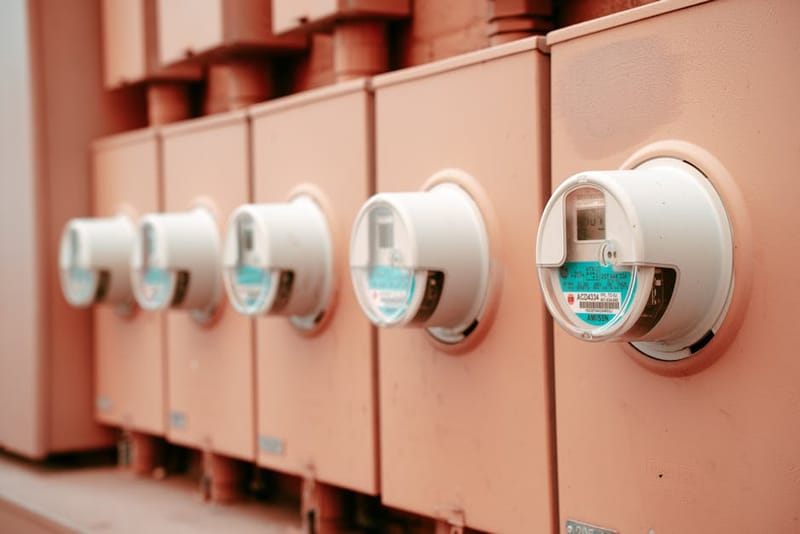

In May 2026, the Connectivity Standards Alliance (the group that runs Matter) and the OpenADR Alliance announced they were joining forces. If you have not heard of OpenADR, you are not alone — it has lived mostly in the world of utility companies and large commercial buildings. This collaboration changes that. The promise is a direct, automated path between your electricity supplier and the smart devices in your home. Done right, it means lower energy bills with zero day-to-day effort.
Why this announcement matters
Matter has spent its first three years getting the basics right. Lights, switches, sensors, thermostats, locks, and a slowly expanding set of more complex device categories. What it has not done is talk to the electricity grid. Each manufacturer has its own way of handling demand response — Tesla has Powerwall's grid services programme, Octopus has its Intelligent platform for Octopus Agile, EV chargers and heat pumps each have brand-specific integrations.
An open standard layered over Matter changes that picture. Instead of needing brand-by-brand integrations, your supplier could in principle send a single Matter-level signal that any compliant device in your home understands. The plumbing becomes utility-neutral and brand-neutral, which is exactly what an open standard is for.
What it could change for UK households
The UK is unusual in that flexible tariffs are already mainstream. Octopus Agile, Intelligent Octopus Go and similar offerings from other suppliers already pay households for shifting consumption away from peak hours. Today, taking advantage of that involves either manually scheduling appliances or trusting your supplier's app to control specific compatible devices.
A Matter + OpenADR future would mean any compatible heat pump, EV charger, immersion heater, battery storage system or smart appliance could enrol with your supplier through a standard mechanism. The supplier sends a signal at 4 PM on a windy day asking devices to use more energy because there is a surplus on the grid; your EV starts charging, your heat pump cycles the hot water tank. At 6 PM during peak demand, devices ease back. You are paid for the cooperation through your tariff. Today this is possible only with specific kit on specific platforms; the goal is to make it possible with any compliant kit on any platform.
What we do not yet know
The announcement is a liaison — the two standards bodies have agreed to work together, not a finished specification or a shipping product. The detailed work of writing the device cluster definitions, the security model, the consumer consent flow, and the certification programme is still ahead. Realistic timelines for first compliant devices in UK homes are 18 to 36 months out, with the largest impact further still as device manufacturers update existing product lines.
What we can say with confidence: the direction of travel is clear. UK government policy has been pushing demand-side flexibility for years, the grid genuinely needs it as solar and wind capacity grows, and the device-side standards are now lining up to support it. That makes this announcement worth understanding even if nothing changes in your house tomorrow.
Should you change anything you are doing today?
Mostly no. There is no Matter + OpenADR device to buy in 2026, so the practical guidance for households is simple: if you are buying a major energy-consuming device this year (heat pump, EV charger, battery storage, electric immersion heater), pick something that already supports flexible tariffs through your supplier — do not wait for an open-standard version that is still years out. The good news is that suppliers who already offer flexible tariffs tend to support multiple brand-level integrations today, so you are not boxed into one manufacturer.
What to avoid: paying a meaningful premium for a device specifically because it promises future Matter / OpenADR support. The premium is not yet justified by anything concrete, and the standards work could land in any of several shapes.
The big-picture takeaway
Smart home standards have historically been about making your house easier to control from your phone. Matter + OpenADR points at a more interesting future — making your house easier to control from outside, in a way you have consented to and that pays you for the cooperation. That is the model the energy transition needs, and it is the model that closes the gap between "my house is automated" and "my house actively reduces my electricity bill."
The work to get there is far from finished, but the announcement is genuine progress. If you are interested in cutting your bills now, our guide to smart-home energy saving covers tactics that work today — without needing a new generation of devices.
Frequently asked questions
What is the difference between Matter and OpenADR?
Will my existing Matter devices get OpenADR support through a firmware update?
Does this replace Octopus Agile / Intelligent Octopus Go?
Is there a privacy concern about utilities controlling my appliances?
What should I buy now if I want to be ready?
Cut your energy bills today
Our guide to smart-home energy saving covers what actually moves the needle on your electricity bill, with no new standards required.