Smart Home Shopping 2026: You Don't Have to Pick a Side
Matter and Thread mean most new smart-home devices now play nicely together. A plain-English UK shopping guide for 2026 - no ecosystem anxiety required.
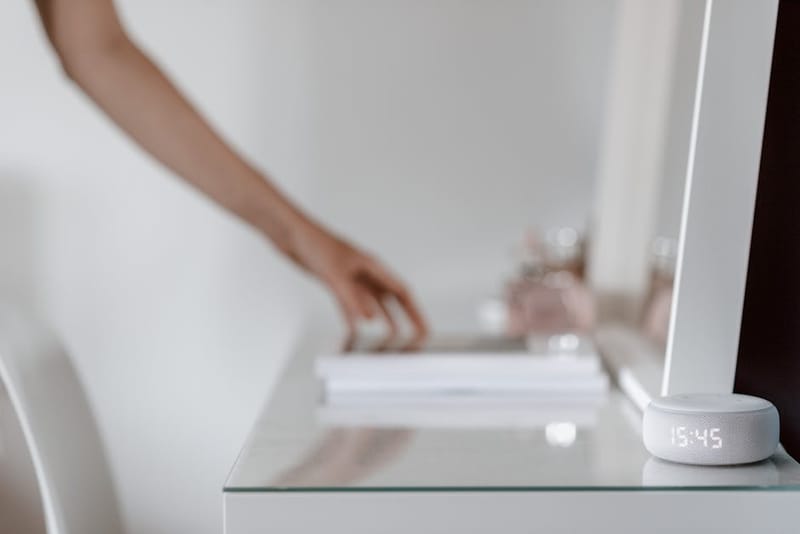

For about a decade, buying a smart-home gadget felt like swearing fealty to a tech giant. Apple, Google, Amazon - pick one, then keep buying inside that walled garden or risk owning a drawer of lonely plugs that refuse to talk to each other. In 2026, that anxiety is finally on the way out.
Thanks to a standard called Matter and a little wireless protocol called Thread, most new smart devices sold in the UK now quietly work with whatever app you already use. You no longer have to commit to a side before you've even left the shop. This guide explains why, what to look for on the box, and how to think about smart-home shopping without the old ecosystem panic.
Why is the "pick one smart home ecosystem" anxiety fading?
If you bought your first smart bulb between roughly 2015 and 2022, you were trained to ask one question first: which phone do you have?
Apple iPhone households tended toward HomeKit. Android households toward Google Home, Google's smart home ecosystem and companion app for Nest devices,. Anyone who wanted things cheap got pushed into Alexa. Cross-platform households - really common in the UK, where mixed phone ownership is normal - ended up with three apps, two voice assistants and a half-broken "works with" sticker on the box.
The fundamental problem was that smart-home devices spoke different languages. A Zigbee bulb couldn't speak to a Wi-Fi plug without a hub translating between them. An Apple Home, Apple's smart home ecosystem accessed via the iOS Home app,Pod couldn't see a Google-branded camera. Even devices in the same category - say, smart plugs - would refuse to share a room.
Matter is the industry's response to that mess. It's a shared language. And in 2026, the shelves at John Lewis, Currys, Argos and Amazon UK increasingly reflect it.
What Matter and Thread actually do (in plain English)
Matter is a shared smart-home language designed by the very companies that used to fight over yours. The Connectivity Standards Alliance - whose members include Apple, Google, Amazon, Samsung, Philips Hue, Ikea and dozens more - agreed on a common protocol so that a single device could be controlled from any major smart-home app.
Think of it as smart-home Esperanto. Speak it once on the box, and the rest of your house understands.
Thread is a separate but related thing: a low-power wireless mesh network that battery devices (door sensors, locks, remotes) use to talk to a controller without burning through Wi-Fi battery life. Many Matter devices use Thread; others use Wi-Fi; you usually don't need to care which.
The reason these two are mentioned together so often is that Matter-over-Thread is what unlocks tiny battery-powered gadgets that last for years on a coin cell, and that's the missing piece a lot of smart-home rooms have been waiting for. There's a deeper explainer at Matter over Thread vs Wi-Fi if you want the technical version.
What this means when you're standing in the shop
Walk into Argos, John Lewis or Currys with a Matter-aware mindset and the shopping experience flattens. You can largely ignore which voice assistant the marketing copy emphasises. If the box says Matter, the device will join whatever you already have at home.
That's the practical promise: stop sorting devices into tribes. Sort them by what they do, what they cost, and which brand has the better warranty. The compatibility question is mostly answered.
The big-name brands now shipping Matter in mainstream UK retail include TP-Link Tapo, Aqara, Eve, Nanoleaf, Yale, Ikea (via the Dirigera Hub), and the newer Philips Hue range via a recent Bridge firmware. Amazon, Google and Apple all sell controllers that double as Thread border routers - the modern HomePod mini, Apple TV 4K, recent Echo Dots, Echo Hub, Nest Hub 2nd gen and Nest Hub Max all play that role.
A light-touch buying checklist for 2026
Does the box say Matter (or 'Works with Matter')?
This is the single most important signal. It means the device will work with any major controller, and is more useful than any specific 'Works with Alexa / Google / Apple' badge.
Does it need a hub of its own?
Wi-Fi Matter devices generally don't. Thread devices need a Thread border router - but if you already own a recent HomePod, Echo or Nest Hub, you probably have one without realising.
Is the brand still around?
Smart-home graveyards are real. Stick to brands selling more than one current product line. Tapo, Aqara, Eve, Hue, Ikea and Yale are safe bets in UK retail.
Does your preferred app support the device type?
Matter covers plugs, bulbs, sensors, locks, thermostats, blinds and a growing list of others. A handful of niche categories (advanced cameras, doorbells with package detection) still vary by ecosystem.
Are the safety basics in order?
For plugs and chargers, look for UKCA or CE marking and a proper BS-1363 plug. The Matter logo says nothing about electrical safety; that's a separate check.
Where the old advice still applies
Matter changes the rules for devices, not for voice. If you say "Hey Siri", you still need Apple Home. "Hey Google" requires Google Home. "Alexa" needs the Amazon app. So the choice of voice assistant remains a personal one, tied to whichever speaker you actually put on the kitchen counter.
Older kit also doesn't magically join the party. A Zigbee bulb from 2019 still needs its bridge. A first-generation TP-Link Wi-Fi plug from before Matter existed will keep working in its original app but won't be exposed to other ecosystems. Most major hub vendors - SmartThings, Hue, Aqara, Ikea - now publish updates that bridge their legacy stock to Matter, so you can often pull old devices into a Matter setup without re-buying anything.
And a handful of device categories remain stubbornly ecosystem-specific. Cameras with cloud recording and doorbells with detailed package detection still tend to live inside Ring, Nest or Apple's own walled gardens. Matter has been adding camera support in stages, but the high-end features lag behind the basic-device support by a release or two.
Mixing Matter with what you already own
One of the quieter wins of Matter is that it makes a hybrid setup easy. A typical mid-decade UK smart home might combine: a few older Hue bulbs going through a Hue Bridge, the Zigbee hub that connects Philips Hue smart bulbs to your home network,; a Sonos speaker that pretends to be a controller in spots; a couple of Aqara sensors; a smart lock; and an Echo or HomePod doing voice. Five years ago, gluing that lot together meant a SmartThings hub, a copy of Home Assistant, the open-source smart home automation platform, and a long weekend.
Today, the modern Hue Bridge exposes its bulbs to any Matter controller. SmartThings does the same for its supported Zigbee and Z-Wave devices. Aqara's M3 hub bridges its older sensors. The cumulative effect is that adding one new Matter plug doesn't reshape your entire setup - it just appears in your existing app alongside everything else.
The smart-home hub guide walks through whether you still need one of these dedicated boxes in 2026. The short answer: less often than you used to.
How to think about it now - and what to read next
The old smart-home decision tree had three branches at the top - Apple, Google, Amazon - and a long chain of buying decisions trailing off each one. Matter has effectively pruned the tree. The first decision is now device choice; the ecosystem choice follows, and it's far less load-bearing than it used to be.
If you're starting from scratch and want a structured walk through the platform options, the Smart Home 101 platform guide is the next step. If you're more interested in the Matter side of things, the plain-English Matter explainer and the Matter 1.4 update for UK users cover the standard in more depth. And if you're comparing networking choices, Matter over Thread vs Wi-Fi takes the engineering decision apart.
The summary, for anyone in a hurry: look for the Matter logo, ignore the ecosystem tribes, and pick the device on its own merits. The walled gardens still exist - they just have a lot more doors than they used to.
Frequently asked questions
Do I still need a smart-home hub in 2026?
Will a Matter device work with both Apple Home and Google Home at the same time?
Is Matter slower than a brand's own app?
Do I need to replace my old Philips Hue bulbs?
Are there still device categories Matter doesn't cover well?
What if a brand promises Matter support 'coming soon'?
Build your smart home without the ecosystem stress
Start with the basics - what a smart home actually is, and which platform makes sense for your phone, budget and comfort level.