Smart Home Routines That Save Money (UK 2026)
Time-of-use tariffs, smart plugs, scheduled heating: the routines that actually cut UK energy bills, plus realistic monthly savings.

Why do routines beat just buying smart kit?
Smart bulbs, plugs, and thermostats don't save energy by themselves. They save energy when paired with a routine that turns devices off, shifts them to cheap-rate hours, or stops them running at full power when nobody is in the room. A smart thermostat with no schedule consumes roughly the same energy as the dumb one it replaced; a £40 smart plug left on its default "always pass power through" setting saves zero pence per month. The routines are the lever.
Ofgem's default-tariff electricity price cap sat at around 24p/kWh through Q2 2026 (the gas cap around 6p/kWh). Most UK households on a fixed tariff are paying close to these rates flat across every hour of the day. The biggest savings come from moving consumption away from the 4pm-7pm "peak" window (when wholesale prices spike) toward the 12am-5am "off-peak" window where wholesale prices regularly drop below 10p/kWh. That arbitrage is what time-of-use tariffs like Octopus Agile and Intelligent Octopus expose to consumers.
Which time-of-use tariff routines actually save money?
Three Octopus tariffs are the obvious entry point for UK households with smart meters (SMETS2). They've published their rates and APIs so smart-home routines can read them. Each suits a different household pattern.
Octopus Go - flat cheap rate (currently around 8-9p/kWh) for a fixed 4-5 hour window overnight (typically 00:30-05:30). Peak rate is slightly higher than the default tariff. Best for households that can shift a few big loads (EV charge, dishwasher, washing machine, dryer, immersion heater) entirely into the cheap window.
Intelligent Octopus Go - same idea as Go but the cheap window expands to up to 6 hours when an EV is plugged in, scheduled through the Octopus app. The car charges automatically during the cheapest grid period each night. The right choice for households with an EV and a Type 2 home charger.
Octopus Agile - half-hourly rates that follow wholesale prices, published the day ahead via the Octopus API. Can drop below 5p/kWh in the 12am-5am window on a windy night; can rise above 30p/kWh in the 4pm-7pm winter peak. Best for households willing to script their smart home to react to the next day's rates.
The Home Assistant Octopus Energy integration polls the Agile / Go / Intelligent tariff rates every 30 minutes and exposes them as sensors. A routine can then turn appliances on when the rate is below a threshold (say 10p/kWh) and off above. Our 25 Home Assistant automation examples guide includes the exact YAML for a dishwasher-runs-when-cheap routine.
How much can heating routines save?
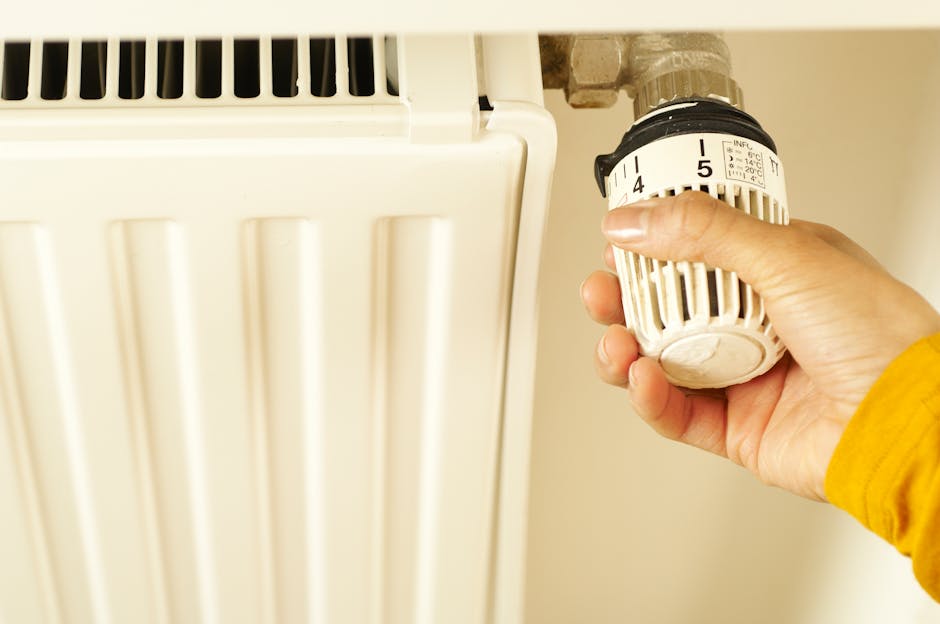
Heating is typically 60-70% of total UK household energy spend. A smart thermostat (Hive, Tado, Nest, Ecobee, Honeywell evohome) with a sensible schedule pays for itself faster than any other smart-home category.
Three rules cover most of the saving:
Drop 2-3°C while you're out. The Energy Saving Trust estimates each 1°C reduction cuts heating bills by 10%. Two zones (downstairs, upstairs) drop independently. Most smart thermostats handle this with their default schedule once you set wake / leave / return / sleep times.
Drop 3-4°C overnight. Sleeping in 17-18°C rooms is healthier than 21°C anyway. A pre-warm window 30 minutes before alarm restores comfort by morning without leaving the heating on through the small hours.
Per-room TRVs (smart radiator valves). Heat only the rooms in active use. A typical 3-bed UK home wastes £80-£150/year heating empty bedrooms and guest rooms during the day. Tado, Honeywell evohome, and Drayton Wiser all offer per-room TRV control; the typical setup pays back in 18-30 months at current prices.
What vampire-draw routine should every UK home run?
The standby-power draw of unused TVs, set-top boxes, games consoles, monitors, microwave clocks, and chargers adds up. Energy Saving Trust estimates UK households waste £55-£86/year on standby alone. A single bedtime routine, scheduled for 23:30 or 00:00, can recover most of that:
List the devices that don't need to run overnight. Typical candidates: living-room TV, soundbar, set-top box, games console, kitchen radio, office monitor + dock, phone chargers left plugged in but with no phone attached. NOT candidates: fridge, freezer, broadband router (some routines block remote workers if the router is off), smoke alarms with mains backup.
Group them onto smart plugs. An £8-£15 smart plug with energy monitoring (TP-Link Tapo P110, Shelly Plug S, ZigBee Aqara) lets the routine kill power AND show you the actual consumption. Most TVs on standby pull 0.5-2W, set-top boxes 8-15W, games consoles 8-12W.
Build the routine. In Home Assistant, Apple Home, or the SmartThings app, create an automation "At 23:30, turn off [smart plug group]". Reverse routine at 07:00 if you want everything restored before the household wakes up. Expected saving: £30-£60/year on a typical 3-bed with 4-5 vampire devices.
Do lighting routines really save money?
Lighting is a smaller share of UK household electricity now that LEDs have replaced halogens and incandescents. A typical UK home spends £40-£90/year on lighting versus £400+ a decade ago. So the saving potential here is real but bounded - £10-£25/year of lighting routine, NOT £100.
The routines that work:
PIR-triggered hallway / landing / utility-room lights. Auto-on when motion detected, auto-off 2-3 minutes after the room empties. A £10 motion sensor + a £6 smart bulb / £8 smart switch saves around £15-£30/year per area on a typical hall and landing.
Bedside dim-to-sleep. Lights fade from 100% to 0% over 15 minutes when bedtime starts. Saves a household member coming downstairs at 1am to switch off a light somebody forgot. Trivial saving on its own; the convenience is the real win.
Sunset-aware front-of-house lights. Use the home's location to compute civil twilight times rather than running a flat 18:00-22:00 schedule. Saves ~30 minutes/day of unneeded lighting in midsummer when sunset is 21:30, and avoids the home looking dark in late December when sunset is 15:55.
Can routines automate EV charging savings?
Yes - this is the single biggest saving category if you own an EV. The typical UK family car on Octopus Go (8.5p/kWh off-peak) versus the default tariff (24p/kWh) saves around 15p/kWh × 2,500-4,000 kWh/year of charging = £375-£600/year. Per car.
Two approaches:
Charger-native scheduling. Most smart EV chargers (Ohme, Hypervolt, Wallbox, Andersen, EO Mini Pro 3) offer a built-in Octopus Go / Agile integration. Plug in any time, the charger waits for the cheap window. No smart-home automation needed.
Intelligent Octopus Go. Octopus's app talks directly to the car or charger and schedules the charge around the cheapest 6 hours per night, even when that means starting at midnight or pausing mid-charge. No smart-home setup required - it's a tariff feature, not a routine.
Either approach beats the alternative of plugging in at 6pm and starting to charge immediately at peak rate. Households with a 50kWh weekly charging habit (a daily 25-mile commute in a Tesla Model Y or VW ID.4) recover the £100-£200 cost of a smart charger upgrade in one winter.
How do you stack the routines without breaking the household?
The mistake many smart-home enthusiasts make is over-automating. A routine that turns off the TV when someone is mid-film is a worse experience than the £2 saved is worth. Three guardrails keep automation invisible:
Use presence detection, not just time. A routine that runs at 23:30 only if no phone is on the home WiFi is far less annoying than one that runs regardless. Home Assistant's device_tracker, Apple Home's "first/last person leaves" triggers, and SmartThings location are all reliable.
Always include a manual override. The bedtime vampire-draw routine should respect a "watching late" override button (a smart button next to the TV, or a voice command "Hey Siri, keep TV on"). One day you'll want to watch a film past midnight, and you need an obvious way to keep things on without going into the app.
Tell the household what's automated. Routines that the rest of the household don't know about look like "the TV randomly turns off". A weekly family briefing on what's running fixes more troubleshooting tickets than any technical change.
Frequently asked questions
Q01Do I need Home Assistant to run these routines?
Q02How much should I spend on smart kit before the savings stop scaling?
Q03Does the Energy Price Cap matter for these routines?
Q04What about gas heating routines on a non-smart boiler?
Q05Will time-of-use tariffs cost me more if I get the routine wrong?
Q06Are these routines worth it if I rent?
- Smart home energy saving tactics that actually cut bills - the kit-and-tactics companion to this routines guide.
- 25 Home Assistant automation examples - the YAML for the routines above.
- Home Assistant Energy Dashboard for UK SMETS2 meters - the dashboard that proves the routines are working.
- Best smart thermostats UK 2026 - thermostat picks for the heating-schedule routine.
- Smart Home 101: Choosing your platform - Apple Home vs Home Assistant vs SmartThings.